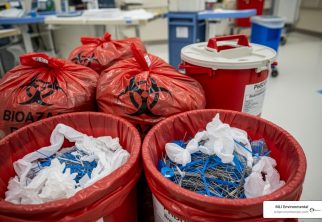
Drum waste disposal is the process of safely managing, transporting, and disposing of containers—typically 55-gallon drums—that hold or once held chemicals, hazardous materials, or other industrial waste.
Dangerous goods shipping is a highly regulated activity. Get it wrong, and your business faces massive fines, shipment delays, legal liability, and serious safety risks.
Lithium battery shipping is classified as hazardous materials transport under federal regulations because these power sources pose serious fire and explosion risks during transit.
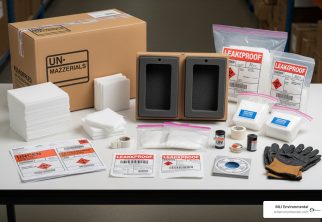
Why Proper Hazmat Shipping Kits Are Critical for Safety and Compliance A hazardous materials shipping kit is a specialized, UN-certified packaging system designed to safely contain and transport dangerous goods in accordance with strict regulatory standard…
Demystifying Column 7 of the Hazardous Materials Table When shipping hazardous materials, understanding each part of the Hazardous Materials Table (HMT) is crucial for safety and compliance.
When it comes to transporting materials that could potentially cause harm to humans or animals, there is no room for error. Whether it is a routine blood sample being sent to a lab in Boston or a highly contagious viral culture moving through Manchester, t…
Transporting dangerous goods is a high-stakes operation where mistakes can cost lives, damage the environment, and result in massive fines. With over 1.
Hazmat shipping is the regulated process of transporting dangerous goods—materials capable of posing a risk to health, safety, property, or the environment—by air, ground, or sea.
Understanding the Scope of Toxic Waste Toxic waste is any unwanted material that can cause harm to living things. It poses serious risks to human health and the environment.