If your facility, company, or institution generates low-level radioactive waste, it must be disposed of properly by law. Low-level radioactive waste is considered any type of material directly contaminated through contact with neutron radiation in small co…
A hazardous waste disposal company provides necessary, if not vital, services for businesses, companies, and institutions that generate hazardous waste streams. Finding the “right” disposal company cannot be understated.
Flammable liquids classification is defined as a Class 3 hazardous material. As one of 9 such hazardous material classifications by the EPA, flammable liquids and combustible liquids are also regulated by the DOT during transportation and OSHA where workpl…
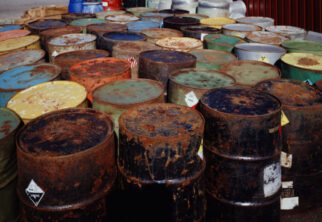
A hazardous waste label is an important step when preparing a drum of harmful or dangerous goods for transportation. The specific intent of all hazardous waste labels is intended to communicate the specific hazards that the packaging may pose.
Common oxidizers, as examples of Class 5 hazardous materials, are composed of any solids, liquids, or gasses that react with most organic material or reducing agents that promote combustion in other materials.
For any business, industry or institution that produces hazardous waste, your hazardous waste generator status will be determined by the amount of waste you may accumulate at your facility or site at one time.
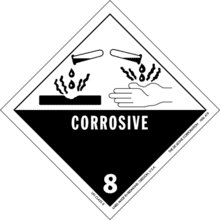
In the pantheon of hazardous waste materials, Class 8 corrosive liquids and corrosive waste stand out from other hazardous materials because of one significant characteristic property—Class 8 corrosive materials are those that cause full thickness destru…
The hazardous waste manifest system was designed by the Environmental Protection Agency (EPA) to track the transit of hazardous waste from generator facilities where it was produced to off-site waste management facilities that can store, treat or dispose o…
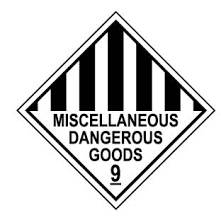
It may seem fairly obvious from its classification that Class 9 Hazardous Materials of Dangerous Goods are those miscellaneous hazardous materials without a specific definition of the potential hazard, the keyword here being ‘potential.
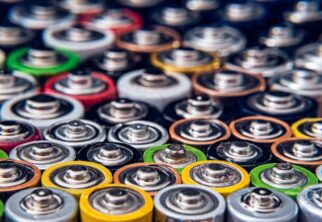
Wondering if you can ship lithium batteries? Just take a look around any office, house, shop, or store. The answer, of course, is yes! Lithium batteries are shipped daily around the world.