The hazardous waste manifest system was designed by the Environmental Protection Agency (EPA) to track the transit of hazardous waste from generator facilities where it was produced to off-site waste management facilities that can store, treat or dispose o…
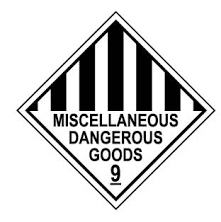
It may seem fairly obvious from its classification that Class 9 Hazardous Materials of Dangerous Goods are those miscellaneous hazardous materials without a specific definition of the potential hazard, the keyword here being ‘potential.
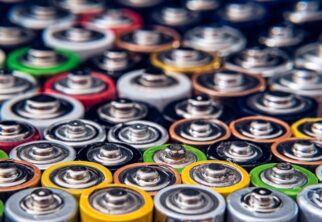
Wondering if you can ship lithium batteries? Just take a look around any office, house, shop, or store. The answer, of course, is yes! Lithium batteries are shipped daily around the world.
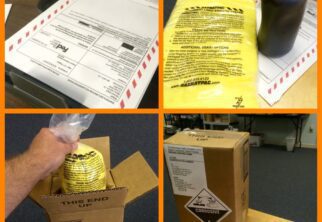
When it comes to hazmat transportation, packaging hazardous materials for shipment is a crucial aspect of the process and is subject to regulatory requirements.
DOT hazmat regulations are in place for a good reason—shipping hazardous material is risky business. Materials are classified as hazardous when they pose a risk to health, safety, property, and the environment.
Learning or knowing how to properly dispose of pool chemicals is an important part of having a pool or hot tub, not only for the health of you, your family and friends but for the environment as well.
Shipping hazardous materials is no easy task. Any type of material to be shipped—gas, liquid or solid—that can pose a danger to people, property, and the environment is governed by a set of rules and heavily regulated to ensure safety, beginning with t…
Laboratories will always inevitably produce hazardous waste, which, if improperly managed, can lead to safety issues, damage to the environment, or even catastrophic accidents.
Hazmat shipping papers are official documents that shippers prepare for carriers that provide critical information about the hazardous material being transported.
Companies or institutions that generate, accumulate or ship any type of hazardous waste are required to properly label the containers holding the material with hazardous waste stickers to inform and protect handlers from the hazardous material.