
Why Hazardous Materials Safety Is Essential for Every Business
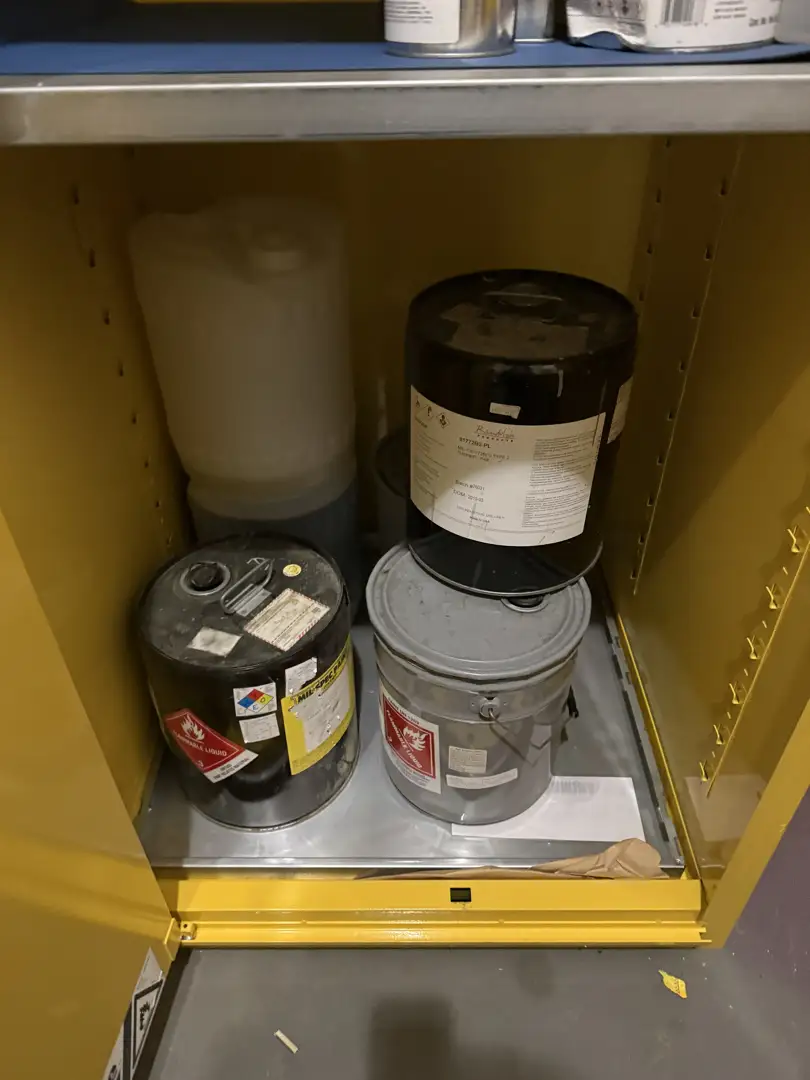
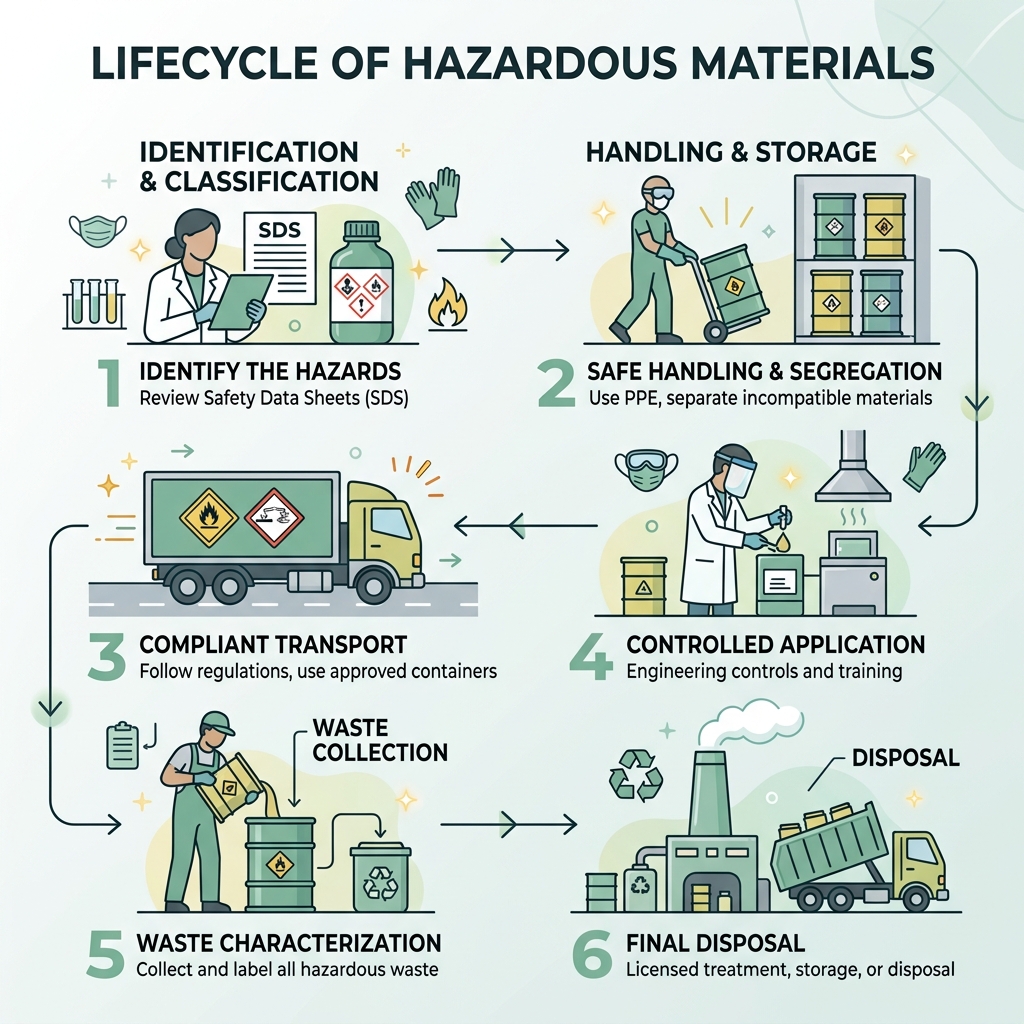
Hazardous materials safety is the practice of identifying, handling, storing, transporting, and disposing of dangerous substances in ways that protect people, property, and the environment.
Quick answer — the core pillars of hazmat safety:
- Identify the hazard class and read the Safety Data Sheet (SDS) before handling any chemical
- Label all containers correctly with GHS-compliant pictograms, signal words, and hazard statements
- Train every employee who works with hazardous materials — initial training plus refreshers every 3 years
- Control exposure using engineering controls first, then work practices, then PPE
- Store safely by segregating incompatible chemicals and keeping areas cool, dry, and ventilated
- Plan for emergencies with written procedures, spill kits, and tested evacuation routes
- Ship compliantly following DOT, IATA, or IMDG rules depending on your transport mode
American workers use tens of thousands of chemicals every day. Many of those chemicals can cause anything from mild skin irritation to long-term illness — including cancer. And it’s not just industrial chemicals. Everyday products like aerosol cans, lithium batteries, and dry ice are classified as dangerous goods under federal regulations.
The rules governing these materials are complex. Multiple agencies — OSHA, the EPA, the DOT, and PHMSA — each play a role. For businesses that lack in-house expertise, staying compliant while keeping workers safe can feel overwhelming.
This guide breaks it all down in plain language: what hazmat safety requires, what the law expects, and how to build a practical, compliant safety program.
Defining Hazardous Materials and the Regulatory Landscape
To get a handle on hazardous materials safety, we first have to define what we are dealing with. In the simplest terms, a hazardous material (often called hazmat or dangerous goods) is any substance that poses an “unreasonable risk” to health, safety, or property.
The regulatory landscape is vast. The EPA’s Toxic Substance Control Act (TSCA) Chemical Substances Inventory currently lists information on more than 62,000 chemicals. These are generally split into two categories:
- Health Hazards: Substances that cause measurable damage to the body, such as carcinogens, toxic agents, irritants, or corrosives.
- Physical Hazards: Substances that act as a “trigger” for an event, such as explosives, flammable liquids, oxidizers, or compressed gases.
The good news is that safety measures are working. For instance, the hazmat accident rate per rail carload has dropped by 80% since 2005. Furthermore, more than 99.99% of hazmat shipments by freight rail arrive at their destination without any release due to an accident. This progress is thanks to strict Official OSHA standards for hazardous materials and the oversight of agencies like the Pipeline and Hazardous Materials Safety Administration (PHMSA).
Identifying Common Risks in Everyday Products
You don’t have to be in a laboratory to encounter hazardous materials. Many “normal” products become dangerous when transported or handled in bulk. Aerosol whipped cream, dry ice, and lithium batteries in laptops are all classified as dangerous goods. Even common cleaning agents can be highly corrosive or toxic if mishandled. Understanding more info about defining hazardous materials helps businesses recognize that safety protocols aren’t just for “scary” chemicals, but for many items found in a standard office or warehouse.
Federal Oversight and Safety Resources
Several heavy hitters keep an eye on hazmat. The EPA manages environmental reporting and waste, the Nuclear Regulatory Commission (NRC) handles radioactive materials, and the General Services Administration (GSA) sets standards like FED-STD-313 for how contractors must submit safety data to the government. Ignoring these rules can lead to more than just fines; it can lead to severe more info about the effects of hazardous waste on the local environment and public health.
The Core Pillars of Workplace Hazardous Materials Safety
Safety in the workplace starts with the Hazard Communication Standard (HCS). This OSHA standard has evolved from a worker’s “Right to Know” to a “Right to Understand.” It’s not enough to just hand someone a list of chemicals; employers must ensure workers actually comprehend the risks and the protective measures required.
To protect workers, safety professionals use a “hierarchy of controls.” This means you should always try to eliminate the hazard first (engineering controls like ventilation hoods) or change how work is done (work practices) before relying solely on Personal Protective Equipment (PPE). If you are looking to build a program from scratch, learn the basics of compliant hazardous waste training.
Understanding OSHA Permissible Exposure Limits
OSHA has established approximately 500 Permissible Exposure Limits (PELs). These are the legal limits on the amount or concentration of a substance in the air. Most are calculated as an 8-hour Time Weighted Average (TWA), meaning the average exposure over a full work shift.
- Ceiling Limits: Concentrations that should never be exceeded at any time.
- Action Levels: Usually set at half of the PEL; reaching this level triggers mandatory monitoring or medical surveillance. Understanding these limits is a critical part of managing more info about toxic waste and preventing long-term health issues.
Mandatory Training for Hazardous Materials Safety
Training isn’t a “one and done” event. Every employee handling hazmat must receive initial training before they start, followed by refresher courses (usually every three years for DOT/shipping roles, or annually for certain OSHA standards). Training must be function-specific—a person loading a truck needs different knowledge than someone working in a lab. Building a strong safety culture through training is the best way to ensure everyone stays a more info about hazardous waste generator requirements in good standing with regulators.
Classification and Labeling: The Right to Understand
The DOT classifies hazardous materials into nine distinct classes. These range from Class 1 (Explosives) to Class 8 (Corrosives) and Class 9 (Miscellaneous). Each class has specific requirements for how it is handled and labeled. Getting these classes mixed up is a recipe for disaster. You can find more info about the classes of hazardous materials to help you categorize your inventory correctly.
Identifying Risks with Hazardous Materials Safety Data Sheets
The Safety Data Sheet (SDS) is the “instruction manual” for a chemical. Under the Globally Harmonized System (GHS), these are now standardized into a 16-section format. This ensures that no matter where a chemical comes from, the first aid info is always in Section 4 and fire-fighting measures are always in Section 5.
| Feature | Old MSDS Format | New SDS Format (GHS) |
|---|---|---|
| Sections | Varied (often 8-10) | Standardized 16 sections |
| Pictograms | Not required | Mandatory 9 pictograms |
| Signal Words | Inconsistent | “Danger” or “Warning” |
| Hazard Info | General descriptions | Standardized Hazard Statements |
Standardized Labeling and Container Integrity
Every container—even secondary containers like spray bottles—must be labeled. Labels must include pictograms, signal words, and precautionary statements (e.g., “Wear eye protection”). If a label is torn or unreadable, the material should be treated as an unknown hazard until identified. Following more info about hazardous waste label requirements is one of the easiest ways to avoid OSHA citations.
10 Essential Rules for Handling Hazardous Materials Safely
If you want to keep your workplace safe and your stress levels low, follow these ten basic rules:
- Assess the Risk: Know exactly what you are working with before you open the container.
- Follow Training: Never perform a task you haven’t been trained for.
- Use PPE: Inspect your gear for holes or cracks before every use.
- Read the Label: Check the SDS for the specific “intended use” of the chemical.
- Practice Good Hygiene: Always wash your hands after handling materials, even if you wore gloves.
- Store Correctly: Keep incompatible chemicals apart (e.g., don’t store acids next to bases).
- Maintain Equipment: Test eye wash stations and showers weekly.
- Keep it Clean: Minimize clutter in storage areas to prevent trips and spills.
- Report Issues: If you see a leaking drum or a bulging container, report it immediately. Check for more info about top issues with hazardous waste containers to stay ahead of problems.
- Plan for the Worst: Know your evacuation route and spill response plan by heart.
Proper Storage and Segregation Techniques
Storing chemicals alphabetically is a common mistake that can lead to explosions. Instead, segregate by hazard class. Ensure storage areas are well-ventilated and temperature-controlled. Shelves should be anchored to walls and equipped with anti-roll lips to prevent containers from sliding off during a bump or tremor. This is especially important for more info about corrosive liquids that can eat through metal shelving.
Personal Protective Equipment and Engineering Controls
PPE is your last line of defense. This includes respirators, chemical-resistant gloves, and face shields. However, engineering controls—like fume hoods or specialized ventilation—are more effective because they remove the hazard from the air entirely. Understanding the chemistry, such as more info about why acids are dangerous, helps you choose the right material for your gloves and aprons.
Transporting Dangerous Goods by Rail, Road, and Air
Transporting hazmat involves a “common carrier obligation,” meaning railroads and trucks must carry these goods if they meet safety standards. To manage the risk, railroads use the Rail Corridor Risk Management System (RCRMS), which analyzes 27 risk factors—including population density and track quality—to find the safest route.
In the air, the stakes are even higher. Pressure variations and vibrations can cause containers to leak or batteries to short-circuit. This is why more info about packing hazardous materials for shipping is so strictly regulated by IATA.
Logistics and Hazardous Materials Safety in Transit
Shippers bear the primary responsibility for ensuring a shipment is legal. This includes proper packaging, marking, and documentation. Carriers then ensure the load is secure and the vehicle is placarded correctly. If you are feeling overwhelmed by the paperwork, navigating hazmat shipping with a trusted professional can save you from massive DOT fines.
The Role of Shippers and Emergency Responders
When an accident does happen, information is the most valuable tool. The AskRail app gives first responders immediate access to what is inside a rail car so they can plan their approach safely. Railroads reinvest roughly $23 billion annually into infrastructure to keep these shipments safe. However, the shipper still holds “cradle-to-grave” responsibility for the waste they generate, as detailed in more info about cradle-to-grave shipping responsibilities.
Emergency Response and Spill Management Protocols
If a spill occurs, the Hazardous Waste Operations and Emergency Response (HAZWOPER) standard takes over. This requires a clear incident command structure. You shouldn’t just grab a mop; you need to know if the substance requires specialized neutralization or if the area needs to be evacuated. For those in our service areas, the Official Maine DEP emergency spill response guide provides local contact info and procedures.
Managing Accidental Exposures and Spills
First aid must happen immediately. If a chemical splashes in someone’s eyes, they need 15 minutes of continuous flushing. Decontamination of the area and the person’s clothing is the next step. Every incident requires a more info about hazardous waste determination to decide how the cleanup debris must be disposed of.
Post-Incident Evaluation and Prevention
Every “near miss” is a lesson. Conduct a root cause analysis to figure out why the spill happened. Was it a equipment failure or a lack of training? Regular safety audits and more info about end-of-year hazardous waste inspections are the best way to prevent a small leak from becoming a headline-making disaster.
Frequently Asked Questions about Hazmat Safety
What are the main differences between health and physical hazards?
Health hazards cause internal damage to the body (like lung disease or skin burns) over time or immediately upon contact. Physical hazards are properties of the material that can cause an event, like a fire, explosion, or a sudden release of pressure.
How often do employees need refresher training for hazmat handling?
For OSHA-regulated workplace safety, training is often annual. For DOT/IATA/IMDG shipping and transportation, federal law requires refresher training at least once every three years, or whenever there is a significant change in the employee’s duties or the regulations.
Are Safety Data Sheets required for common household chemicals used in the office?
If an employee uses a consumer product (like Windex or dish soap) in the same way, frequency, and duration as a normal consumer would at home, an SDS is not required. However, if they are using industrial-strength cleaners or using consumer products for hours every day, you must have an SDS on file.
Make Hazardous Materials Safety a Business Priority
Managing hazardous materials safety doesn’t have to be a source of constant anxiety. By building a strong safety culture and staying on top of regulatory compliance, you protect your team and your bottom line. MLI Environmental is a trusted leader in this field, specializing in international and domestic dangerous goods shipping, logistics, and waste disposal. Whether you are in Portland, Maine, Manchester, New Hampshire, or Boston, Massachusetts, our certified professionals provide quick, safe service tailored to your needs.
If you aren’t sure where your program stands, don’t wait for an inspector to show up. Request a professional compliance audit today and let the experts help you keep your cool.