

Understanding the Complexity of Hazardous Materials Transportation
Hazmat shippers are specialized logistics providers that handle the packaging, documentation, and transportation of hazardous materials in compliance with federal and international regulations. These experts manage the entire shipping process, from selecting proper UN-certified packaging to coordinating with certified carriers, ensuring your dangerous goods reach their destination safely and legally.
Quick Answer: What to Look for in a Third-Party Hazmat Shipper
- Certifications: DOT compliance, IATA/IMDG registration, hazmat training credentials
- Services Offered: Packaging, labeling, documentation, transportation coordination
- Material Expertise: Verify they handle your specific hazmat class (1-9)
- Geographic Coverage: Domestic ground, air, ocean, and international capabilities
- Support: 24/7 customer service, tracking systems, emergency response protocols
When it comes to shipping dangerous goods, your business can’t afford to take any chances. A single mistake in classification, packaging, or documentation can result in hefty fines, legal liability, and serious safety incidents. The regulations are complex – DOT 49 CFR for ground transport, IATA for air, IMDG for ocean – and they change regularly.
That’s where third-party hazmat shippers come in. These specialists handle every aspect of your hazardous materials logistics, from understanding which of the nine hazmat classes your materials fall into, to ensuring your shipment meets the strict requirements of the Hazardous Materials Transportation Act (HMTA).
Whether you’re shipping flammable liquids, corrosive materials, lithium batteries, or any of the thousands of regulated substances, this guide will help you understand what third-party hazmat shippers do, why they’re essential, and how to find the right partner for your needs.
Why You Should Partner with a Hazmat Shipping Expert
Shipping hazardous materials is inherently complicated and risky. Businesses, especially those operating in regions like Maine, New Hampshire, Massachusetts, Vermont, and Rhode Island, face unique challenges from diverse regulatory requirements and varying weather conditions. Attempting to manage hazmat shipping in-house without specialized expertise can lead to significant problems.
One of the primary reasons to partner with a hazmat shipping expert is to mitigate risk. Improper hazmat shipping can result in severe financial penalties, including substantial fines from regulatory bodies. Beyond monetary costs, businesses can face significant legal liability if an incident occurs due to non-compliance. The fallout can also include public relations disasters, damaging a company’s reputation and trust with customers. As one expert puts it, “don’t take the chance of getting it wrong.”
In-house hazmat shipping presents numerous challenges, from keeping up with ever-changing regulations to investing in specialized training and equipment. Outsourcing this complex task allows businesses to focus on their core operations, knowing that their hazardous materials are being handled safely and legally. This provides invaluable peace of mind and contributes to operational efficiency. For best practices in this area, consider reviewing resources on Shipping Hazardous Materials: Best Practices and How to Avoid Hazardous Waste Transportation Violations.
The Advantages of Outsourcing vs. DIY
Choosing to outsource your hazmat shipping to a specialized third-party provider offers clear advantages over handling it yourself. These benefits are particularly crucial for businesses in New England, where a mix of industrial, commercial, and research facilities often deal with hazardous materials.
First, you gain immediate access to unparalleled expertise. Third-party hazmat shippers employ certified professionals who are intimately familiar with all relevant regulations, from domestic to international. They possess the knowledge to accurately classify materials, select appropriate packaging, and prepare all necessary documentation. This expertise is a significant asset, ensuring compliance and reducing the likelihood of costly errors.
Secondly, outsourcing can lead to cost savings. While it might seem counterintuitive, maintaining an in-house hazmat shipping department requires substantial investment in training, certifications, specialized equipment, and ongoing regulatory updates. A third-party provider already has this infrastructure in place, often leveraging economies of scale.
Thirdly, and perhaps most importantly, is reduced liability. When you partner with a reputable hazmat shipper, they assume a significant portion of the responsibility and risk associated with transporting dangerous goods. This protects your business from potential legal and financial repercussions in the event of an incident.
Finally, outsourcing allows your business to focus on its core competencies. Instead of diverting resources and attention to the complexities of hazmat logistics, you can channel them back into growth and innovation. This strategic move ensures both safety and security for your shipments, handled by experts dedicated to careful materials handling.
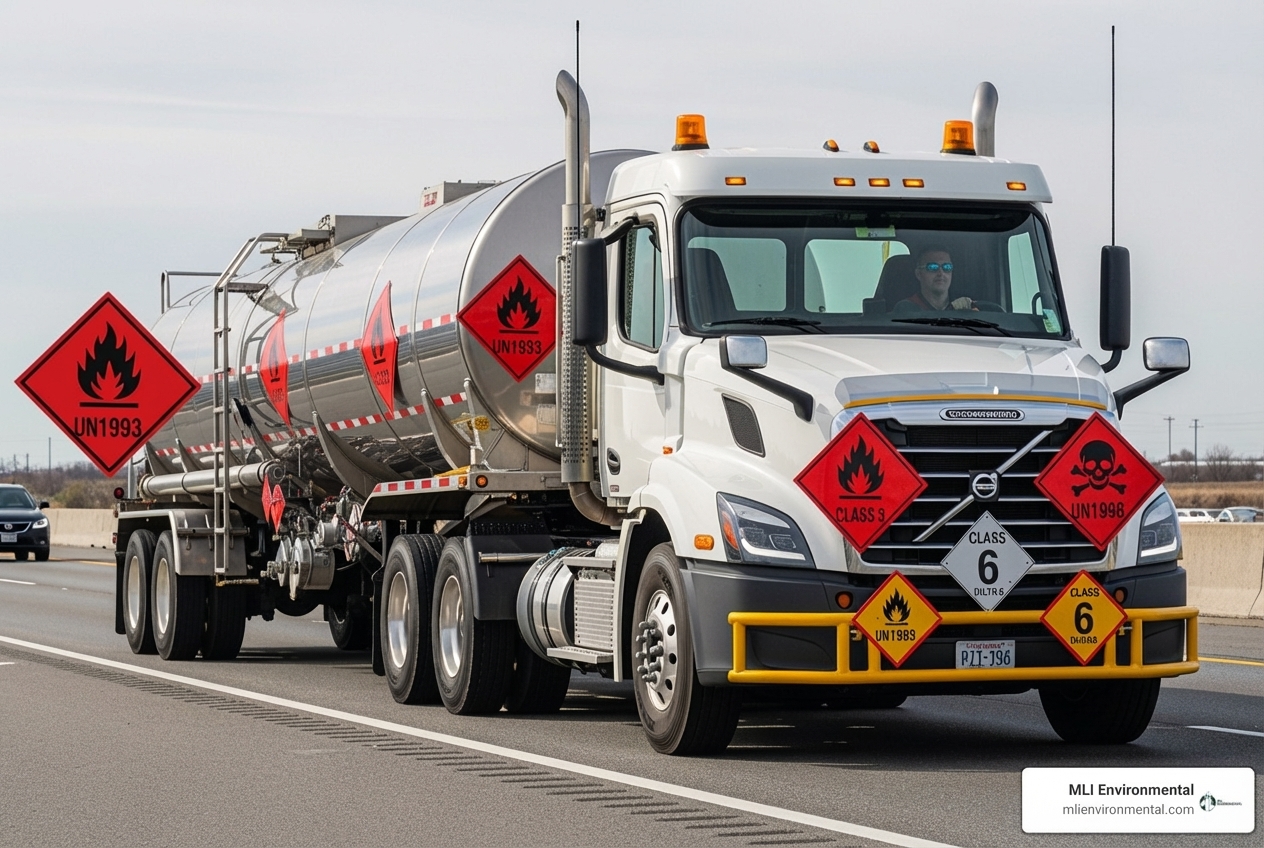
Key Challenges Addressed by Third-Party Specialists
Third-party hazmat shippers excel at navigating the unique challenges inherent in transporting hazardous materials. Their specialized knowledge and infrastructure are designed to tackle these complexities head-on.
One of the most significant challenges is the intricate web of complex regulations. These aren’t just national; they include specific rules for different modes of transport and international jurisdictions. Hazmat specialists stay current with these changing regulations, ensuring every shipment complies.
International shipping rules add another layer of complexity. Different countries and international bodies have their own sets of regulations, documentation requirements, and classification systems. Experts understand these nuances and can steer customs and border controls seamlessly.
Packaging requirements are stringent and vary greatly depending on the hazardous material’s class, quantity, and mode of transport. Third-party providers use UN-certified packaging and sophisticated crating procedures to protect shipments and prevent leaks or damage, which is vital for safety.
Documentation errors are a common pitfall for inexperienced shippers. Misclassified materials, incorrect labels, or incomplete shipping papers can lead to delays, fines, and even rejection of shipments. Hazmat experts carefully prepare all documentation, including Safety Data Sheets (SDS) and Hazardous Materials Tables, to ensure accuracy.
Finally, emergency response is a critical aspect. In the rare event of an incident, a specialized shipper has protocols and resources in place to respond quickly and effectively, minimizing potential harm. They also undertake carrier vetting, ensuring that only qualified and experienced carriers handle your hazardous materials, especially important for routes across New England.
Core Services and Compliance Expertise
Third-party hazmat shippers offer a comprehensive suite of services designed to manage the entire lifecycle of hazardous material transportation, ensuring safety and compliance every step of the way. These services go far beyond simply moving a package from point A to point B.
At the heart of their offerings are specialized packaging services. This involves selecting and utilizing UN-certified packaging, which is rigorously tested to ensure it can safely contain hazardous materials under various conditions. For instance, specific box types like 4G packaging might be required for certain classes of dangerous goods. Following this, precise labeling is crucial. Every package must bear the correct hazard labels, markings, and identification numbers (like UN/NA IDs) that clearly communicate the contents and associated risks.
Documentation preparation is another cornerstone service. This includes creating accurate shipping papers, Shipper’s Declarations for Dangerous Goods, and other permits required by regulatory bodies. Meticulous documentation is essential to avoid delays and ensure legal compliance. MLI Environmental, for example, offers robust DOT/IATA Compliance Support to assist businesses with these critical requirements.
Transportation coordination involves arranging the most suitable and compliant mode of transport—ground, air, or ocean—and selecting carriers specifically qualified and experienced in hazmat transport. Throughout this process, stringent safety protocols are observed, from careful materials handling to continuous monitoring. Many providers also offer overpack services, where multiple packages are consolidated into a single, larger container for added protection and ease of handling.

Navigating the Web of Hazmat Regulations
The regulatory landscape for hazardous materials shipping is vast and complex, varying by mode of transport and geographic region. Third-party hazmat shippers are experts at navigating these regulations, ensuring your shipments comply.
For ground transportation within the United States, the primary authority is the U.S. Department of Transportation (DOT), specifically outlined in Title 49 of the Code of Federal Regulations (49 CFR). This extensive regulation dictates everything from material classification and packaging to labeling, placarding, and driver training. Compliance with 49 CFR is non-negotiable for anyone shipping hazardous materials by road. You can explore more about these requirements at the Title 49 of the Code of Federal Regulations (49 CFR).
For air cargo, the International Air Transport Association (IATA) publishes the IATA Dangerous Goods Regulations (DGR), which are based on the International Civil Aviation Organization (ICAO) Technical Instructions. These regulations are globally recognized and are often more stringent than ground transport rules, especially concerning packaging and documentation. For example, air shipments with liquids often require pressure differential tests.
Shipping by sea falls under the International Maritime Dangerous Goods (IMDG) Code, developed by the International Maritime Organization (IMO). The IMDG Code provides guidelines for the safe transport of dangerous goods and marine pollutants by vessel.
Beyond these, the International Civil Aviation Organization (ICAO) provides the ICAO Technical Instructions, which are the foundation for the IATA DGR. These comprehensive instructions ensure a global standard for the safe transport of dangerous goods by air.
A critical first step in compliance is material classification. This involves checking the DOT’s Safety Data Sheet (SDS) for your product and then classifying it on the Hazardous Materials Table to determine specific shipping requirements. This table provides specifications and rules for transporting various products. For more on what the government requires of hazmat transporters, visit Hazmat Transporters: What Does the Government Require of Them?.
Understanding Hazmat vs. Dangerous Goods
While often used interchangeably, “hazardous materials” and “dangerous goods” refer to the same category of substances that pose a risk to health, safety, and property during transportation. The distinction largely lies in the regulatory framework applied.
In the United States, the term “hazardous materials” is primarily used and governed by the Department of Transportation (DOT) under 49 CFR. These are defined as substances or materials capable of posing an unreasonable risk to health, safety, or property when transported in commerce. Examples include everything from common household cleaners to industrial chemicals.
Internationally, particularly in air and sea transport, the term “dangerous goods” is more prevalent, as defined by organizations like IATA and IMO. Dangerous goods are classified as products that pose a direct risk to people, property, or the environment.
Regardless of the terminology, the core regulatory requirements are similar: appropriate classification, proper packaging, accurate labeling, and comprehensive documentation. Both hazardous materials and dangerous goods shipping demand strict adherence to these protocols to guarantee safety during transport. MLI Environmental specializes in Dangerous Goods Shipping, understanding the nuances of both domestic and international regulations.
How to Find Hazmat Shippers
Finding the right third-party hazmat shipper is a critical step for businesses in New England. It requires a thoughtful approach to vetting potential partners to ensure they meet your specific needs and adhere to the highest safety and compliance standards.
Start by looking for providers with a strong track record and certifications relevant to your industry and the types of materials you ship. For example, if you’re in the biopharmaceutical industry in Massachusetts, you’ll need a shipper experienced with biological and chemical hazmat.
The vetting process should include checking their certifications and training. Ensure their staff are hazmat-certified and have extensive training on shipping hazardous materials in compliance with national and international regulations. Request quotes that clearly outline their services and any potential surcharges. Evaluating their experience is also key; providers with decades of experience often have encountered a wider range of shipping scenarios and developed robust solutions.
Technology plays an increasingly important role in modern hazmat shipping. Look for partners who offer advanced shipment tracking and transparency, allowing you to monitor your hazardous goods throughout their journey. This tech-enabled approach can provide valuable peace of mind.
A Step-by-Step Guide to Finding the Right Partner
When you’re searching for hazmat shippers, a structured approach can help you identify the best fit for your business.
- Online Search and Directories: Begin with a targeted online search using terms like “hazmat shipping services in Maine” or “dangerous goods logistics New England.” Look for companies listed in industry directories that specialize in hazardous materials.
- Ask for Referrals: Reach out to industry peers, trade associations, or other businesses in your area that handle similar materials. Personal recommendations can be invaluable.
- Initial Contact and Questions: Once you have a shortlist, contact each potential partner. Ask specific questions:
- What hazardous material classes do they handle, and which do they exclude?
- What are their certifications (DOT, IATA, IMDG)?
- What is their experience with your specific type of hazardous material?
- How do they handle documentation and regulatory compliance?
- What kind of tracking and customer support do they offer?
- Do they have a dedicated emergency response team?
- Evaluate Experience and Capabilities: A company with a long history in hazmat shipping, like MLI Environmental, often brings a depth of knowledge that newer companies may lack. Look for evidence of comprehensive solutions, from packaging to final delivery. For guidance, refer to Selecting the Right Hazardous Waste Transporter.
- Review Their Safety and Compliance Records: Inquire about their safety record and how they ensure compliance. Some companies undergo Third-Party Audits & Inspections to validate their processes. This demonstrates a commitment to rigorous standards.
The Typical Process for Professional Hazmat Shipping
Engaging a third-party hazmat shipper generally follows a clear process designed to ensure safety and compliance from start to finish. Understanding this process, along with the factors influencing costs, is essential for businesses in areas like Manchester, New Hampshire, or Worcester, Massachusetts.
The process usually begins with an initial consultation. During this phase, you’ll discuss the specific hazardous materials you need to ship, their classification, quantity, origin, and destination. This allows the shipper to understand your unique requirements.
Next, the provider will generate a quote. This quote will factor in the type of material, packaging needs, mode of transport (ground, air, sea), distance, and any special handling or documentation required. For a seamless start, consider submitting a Dangerous Goods Shipping Quote Request.
Once the quote is accepted, shipment preparation begins. This is where the third-party expert truly shines, handling all aspects of packaging (often using UN-certified materials), labeling, and meticulous documentation. They ensure everything adheres to the relevant regulations (49 CFR, IATA, IMDG).
Finally, transportation and tracking commence. The shipper coordinates with qualified carriers and monitors the shipment’s progress, often providing real-time tracking updates.
Regarding costs, while specific pricing information is not discussed, several factors influence the overall expense:
- Material Classification and Quantity: More hazardous or larger quantities typically incur higher costs due to stricter handling and packaging requirements.
- Packaging Needs: Custom or specialized UN-certified packaging adds to the cost.
- Mode of Transport: Air freight is generally more expensive than ground or ocean.
- Distance and Destination: Longer distances and international shipments involve more complex logistics and potentially higher fees.
- Documentation Fees: Preparation of specific hazardous material documents, customs declarations, and permits.
- Surcharges: These can include fuel surcharges, remote area delivery fees, and fees for specialized handling or limited access.
It’s crucial to get a detailed quote that itemizes these factors to understand the full cost of your hazmat shipping needs.
Frequently Asked Questions about Hazmat Shipping
Which industries commonly use hazmat shippers?
A wide array of industries, particularly those with a strong presence in New England, rely on hazmat shippers to manage their dangerous goods logistics.
- Chemical Manufacturing: Companies producing industrial chemicals, solvents, and reagents.
- Biopharmaceutical: Firms developing and manufacturing drugs, vaccines, and biological samples, which often involve sensitive and hazardous components.
- Automotive: Businesses shipping automotive parts that may contain hazardous materials like batteries, airbags, or certain fluids.
- Electronics: Manufacturers and distributors of electronics, especially those containing lithium batteries.
- Agriculture: Companies dealing with pesticides, fertilizers, and other agriscience products.
- Cosmetics: Producers of perfumes, nail polish, aerosols, and other beauty products that often contain flammable liquids.
Common items that frequently require hazmat shipping include:
- Paints, varnishes, and adhesives
- Lithium batteries (found in phones, laptops, power tools)
- Aerosol sprays (hairspray, disinfectants, cleaning products)
- Flammable liquids (alcohols, essential oils, some cleaning solutions)
- Corrosive materials (acids, bleaches)
- Dry ice (used for temperature-controlled shipping)
- Fireworks and other pyrotechnics
What are common exclusions for hazmat shippers?
While third-party hazmat shippers handle a broad spectrum of dangerous goods, most have specific exclusions due to the extreme risks or specialized handling required. It’s vital for businesses in Maine, New Hampshire, Massachusetts, Vermont, and Rhode Island to verify what a potential shipper does not handle.
Common exclusions often include:
- Class 1 Explosives: Particularly Class 1.1, 1.2, 1.3, and 1.5 (e.g., commercial explosives, gunpowder, ammunition, primers, most fireworks).
- Class 7 Radioactive materials: These often require highly specialized licensing, equipment, and security protocols beyond what many general hazmat shippers offer.
- Toxic Gases (Class 2.3): Extremely hazardous and require very specific containment and emergency response.
- Spontaneously Combustible Materials (Class 4.2) and Dangerous When Wet Materials (Class 4.3): These substances react dangerously with air or water.
- Organic Peroxides (Class 5.2): Highly reactive and unstable.
- Poisonous, Toxic & Infectious Substances (Class 6): While some Class 6 materials might be handled, many shippers exclude the most dangerous sub-classes.
- Hazardous Waste: While some hazmat shippers also handle hazardous waste, it’s a distinct regulatory category. Many shippers of new products do not handle waste.
- Opened Liquids/Chemicals: Most shippers prefer or require materials to be in their original, sealed containers.
- Items requiring PHMSA registration: Certain high-risk materials may require specific registration with the Pipeline and Hazardous Materials Safety Administration (PHMSA).
Always provide a detailed Safety Data Sheet (SDS) for your material to any potential hazmat shipper to confirm they can handle your specific product.
How do shippers handle international regulations?
Handling international hazmat regulations is one of the most complex areas where hazmat shippers truly demonstrate their value. For businesses in New England looking to export or import dangerous goods, understanding these regulations is paramount.
International shipping is governed by different regulatory bodies depending on the mode of transport:
- IATA (International Air Transport Association): For air shipments, the IATA Dangerous Goods Regulations (DGR) are the global standard. Shippers must comply with these stringent rules, which often include more demanding packaging requirements, specific labeling, and the mandatory IATA Shipper’s Declaration for Dangerous Goods.
- IMDG (International Maritime Dangerous Goods) Code: For ocean shipments, the IMDG Code provides comprehensive rules for the safe transport of packaged dangerous goods by sea. This includes classification, packing, marking, labeling, placarding, documentation, and stowage.
Beyond mode-specific regulations, international hazmat shipping involves navigating complex customs documentation for each country of transit and destination. This includes harmonized tariff codes, import/export licenses, and various declarations. Experienced shippers have established broker networks and expertise in global logistics to ensure seamless customs clearance.
Furthermore, international regulations often have different training requirements. While domestic hazmat training might be required every three years, international recurrent training for shippers is often mandated every two years. This ensures that professionals are always up-to-date with the latest global standards.
MLI Environmental specializes in dangerous goods shipping, offering expertise in these complex regulations to facilitate safe and compliant global transport.
Let MLI Environmental Handle Your Hazmat Shipping
Navigating hazardous materials shipping is a daunting task, fraught with complex regulations, stringent safety protocols, and significant liability. This guide has illuminated the critical role of professional hazmat shippers in simplifying this process for businesses across New England.
Trusting certified experts is not just a convenience; it’s a strategic necessity for any business handling dangerous goods. Professionals like those at MLI Environmental, a trusted leader in the hazardous materials and waste management industry, bring certified expertise and a commitment to quick, safe service. Our specialization in international and domestic dangerous goods shipping and hazardous materials logistics ensures that your shipments are handled with the utmost care and in full compliance.
Don’t let the complexities of hazmat shipping become a burden or a risk to your business. Partner with professionals who understand the nuances and can manage every detail, allowing you to focus on what you do best. Contact our team at MLI Environmental today!
Last updated on February 3rd, 2026 at 07:01 pm