
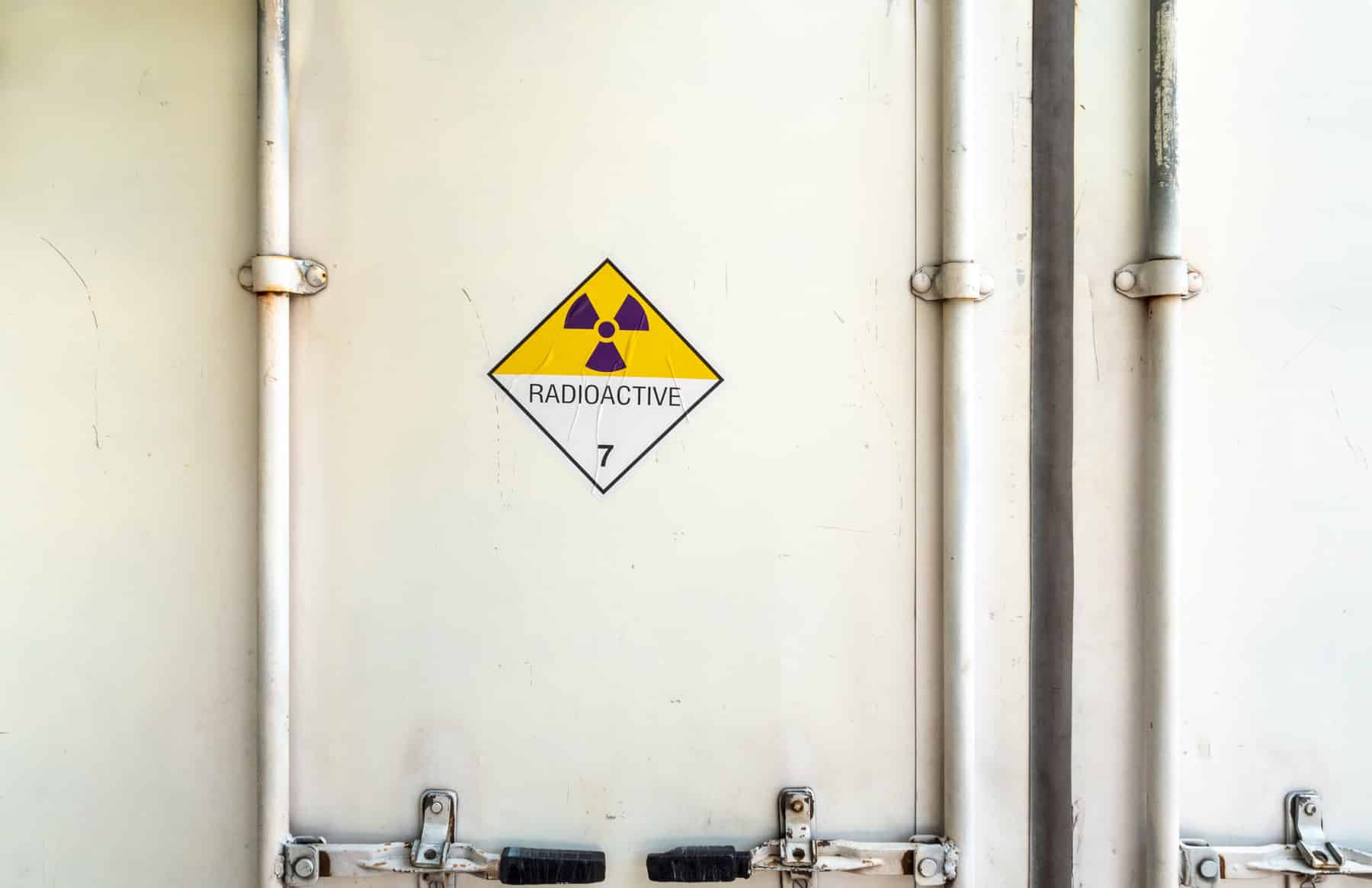
Choosing a reliable and compliant hazardous waste transporter ensures that a business’s hazardous waste is handled, transported, and disposed of safely, legally, and efficiently. For every business, managing hazardous waste has a wide range of legal and ethical responsibilities, of which safe transportation is a vital one. A reputable hazardous waste transporter helps maintain full compliance with federal, state, and local regulations, reducing the risk of fines, legal liability, and environmental damage. They provide accurate documentation, proper labeling, and secure tracking, ensuring accountability throughout the disposal process.
As importantly, the selection of a hazardous waste transporter directly impacts a business’s cradle-to-grave responsibilities which, under RCRA regulations, legally requires the generator to remain accountable for the waste from its creation to its final disposal. A reliable, certified transporter ensures that the waste is managed according to all regulations throughout its journey, providing proper manifests, tracking, and safe delivery to authorized disposal facilities.
The Importance of Choosing the Right Hazardous Waste Transporter
Selecting the right hazardous waste transportation company ensures the safe transport and disposal of hazardous materials, in compliance with federal, state, and local regulations. Handling and disposing hazardous waste is a process designed to protect the public and the environment. Choosing an unqualified or non-compliant transporter increases the risk of improper handling, lost documentation, or illegal dumping—any of which can result in the generator being held liable for environmental damage, regulatory violations, and cleanup costs, even after the waste leaves their site. A transporters non-compliance with local, state, or federal regulations—such as those enforced by the EPA, DOT or the Maine Department of Environmental Protection (DEP)—can expose businesses to significant legal penalties, fines, and reputational damage. Ultimately, the wrong choice can jeopardize both safety and compliance.
On the other hand, companies that specialize in hazardous waste transport adhere to strict rules set by the EPA, DOT, and DEP, including proper classification, labeling, handling, and documentation of materials. A reputable transporter will be fully licensed, insured, and trained to manage hazardous waste according to regulatory requirements, helping generators avoid costly fines, legal actions, and shutdowns. Experienced companies use the correct containers, follow industry best practices, and employ trained personnel who understand the risks associated with hazardous materials. Proper manifest documentation tracks the movement of waste from the point of generation to its final disposal, ensuring accountability at every step of the process.
Key Criteria for Evaluating a Hazardous Waste Transporter
When evaluating a hazardous waste transporter, organizations should prioritize several critical factors to ensure regulatory compliance and minimize liability risks. Key criteria to consider includes proper licensing and certification to handle hazardous materials, a strong track record of regulatory compliance, and trained, experienced personnel. The company should offer comprehensive services, including manifest documentation, waste tracking, and emergency response capabilities. Reliable equipment, safe transportation practices, and clear communication are also essential. Also, reviewing customer references, insurance coverage, and disposal facility partnerships can help ensure the transporter meets safety, legal, and environmental standards. Adequate insurance coverage by the transporter is an especially key criteria because the waste generator is exposed to liability under RCRA’s cradle-to-grave responsibility provisions. Insurance should not only provide financial protection for accidents, but environmental liability, pollution coverage, and commercial insurance.
Operational Practices
Because different types of hazardous waste—such as flammable liquids, corrosives, toxic chemicals, or reactive substances—have unique handling, packaging, and transportation requirements, the hazardous waste transporter must have experience handling the specific type of hazardous waste your company generates. A transporter with relevant experience will understand the specific risks and compliance obligations associated with your waste, ensuring safe and legal transport.
An experienced company will also have a clear and well-practiced emergency response protocol in place to handle any unexpected incidents, accidents, or spills during transportation to respond quickly and effectively to minimize harm to people, property, and the environment. This includes trained staff, proper safety equipment, communication procedures, and coordination with emergency services if needed.
Common Mistakes to Avoid When Choosing a Hazardous Waste Transporter
Though it may well be easy to choose a company based solely on cost, without considering their compliance record, expertise, proper licensing, or safety protocols, it likely will cost you more in the long run to eventually get the service that fits your organization’s needs. In other words, prioritizing cost over reliability, competence, and compliance can lead to legal violations, safety risks, and costly liabilities. Businesses should never overlook the importance of verifying the transporter’s certifications, licenses, and insurance coverage, which are necessary for legal and environmental protection. Finally, ensure proper documentation of waste handoffs and deliveries, such as manifests and tracking records, to avoid regulatory violations and loss of accountability.
Advantages a Full-Service Hazardous Waste Management Company Offers
A hazardous waste management company is more capable of providing better hazardous waste transportation services because it offers a comprehensive, end-to-end understanding of the entire waste lifecycle—from generation and classification to transport and final disposal. Such companies are well-versed in regulatory compliance and often have in-house experts who ensure every step meets EPA, DOT, and state-specific requirements. Unlike general transporters, a specialized waste management company typically has dedicated equipment, trained personnel, and established protocols for handling a wide variety of hazardous materials safely. Additionally, they can integrate transportation with other services such as waste profiling, manifest management, treatment, and disposal, ensuring a more efficient, compliant, and reliable process. This full-service approach reduces the risk of errors, delays, or liabilities, providing businesses with peace of mind and a single point of accountability.
Contact the Hazardous Waste Transporters at MLI Environmental
Choosing the right hazardous waste transporter is an important decision for every business that generates hazardous waste. MLI Environmental is a full-service hazardous waste company that offers various hazardous waste management services, including the safe and compliant transport and disposal of your business’s hazardous waste. For more information on our removal and disposal services, contact us today. For information on our dangerous goods shipping, please fill out the form here.
Last updated on November 26th, 2025 at 02:52 pm