
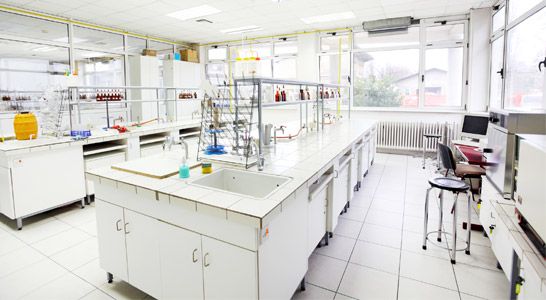
In any laboratory setting, safety should never be an afterthought. Regular laboratory equipment maintenance is one of the most effective ways to prevent accidents, ensure compliance, and protect both personnel and research integrity. From eyewash stations to fume hoods, each piece of safety equipment must function properly when it’s needed most.
Below is a comprehensive maintenance checklist to help laboratories remain compliant with OSHA and EPA standards while maintaining a safe, productive environment.
Why Laboratory Equipment Maintenance Matters
Laboratories handle a range of hazardous substances, high temperatures, and specialized equipment that can pose risks if not properly maintained. Routine maintenance helps:
- Identify and correct equipment malfunctions early
- Extend the lifespan of critical safety devices
- Ensure compliance with local, state, and federal safety regulations
- Reduce the likelihood of workplace injuries or contamination
Whether you manage a school lab, a research facility, or an industrial testing site, scheduled maintenance should be an integral part of your safety plan.
Laboratory Safety Equipment Maintenance Checklist
1. Eyewash Stations and Safety Showers
- Test weekly to confirm proper water flow and temperature.
- Inspect for corrosion, leaks, and obstructions.
- Ensure signage is visible and instructions are legible.
- Flush lines regularly to prevent bacterial growth.
2. Fume Hoods
- Verify airflow performance using an anemometer or face velocity meter.
- Inspect the sash for cracks and smooth operation.
- Clean interior surfaces to prevent buildup of chemical residue.
- Schedule professional certification annually or as required by local regulations.
3. Fire Extinguishers
- Check pressure gauges monthly to ensure they are fully charged.
- Verify accessibility and confirm that labels and safety pins are intact.
- Replace or service units annually through a certified fire safety provider.
4. Biological Safety Cabinets (BSCs)
- Perform airflow and HEPA filter integrity testing.
- Wipe down interior surfaces with approved disinfectants.
- Schedule re-certification after relocation, repair, or filter replacement.
5. Chemical Spill Kits
- Verify that absorbents, neutralizers, and PPE are fully stocked.
- Replace expired materials immediately.
- Train employees on proper spill response procedures.
6. Personal Protective Equipment (PPE)
- Inspect gloves, goggles, and lab coats for wear and damage.
- Replace disposable items as needed and launder reusable items regularly.
- Confirm that PPE storage areas remain clean and organized.
7. Emergency Lighting and Exit Signs
- Test backup batteries monthly.
- Ensure visibility and replace damaged bulbs or casings.
8. First Aid Kits
- Review supplies monthly and restock any used or expired items.
- Include items specific to chemical or thermal burn treatment if applicable.
Best Practices for Laboratory Equipment Maintenance
- Document All Inspections: Keep detailed records of maintenance, tests, and repairs for compliance audits.
- Create a Maintenance Schedule: Assign responsibilities to specific staff members to ensure consistent follow-through.
- Work with Certified Professionals: Partner with qualified technicians for fume hood and BSC certification or calibration.
- Train All Personnel: Ensure staff understand proper use and testing procedures for all safety equipment.
FAQs About Laboratory Equipment Maintenance
How often should laboratory safety equipment be inspected?
Most equipment should be checked monthly, with certain items, such as eyewash stations, requiring weekly testing. Annual certifications are also required for fume hoods and safety cabinets.
What are common signs that lab equipment needs servicing?
Reduced airflow, leaks, damaged seals, or irregular pressure readings are all indicators that maintenance is needed.
Who is responsible for maintaining safety equipment in a lab?
The lab manager or designated safety officer typically oversees maintenance, but all staff members should participate in inspections and report issues.
Why should maintenance be documented?
Documentation provides proof of compliance with OSHA and EPA requirements and helps track performance trends over time.
Ensure Your Laboratory Equipment Is Always Ready
Maintaining laboratory safety equipment isn’t just a compliance requirement—it’s a crucial step in protecting your team and your research. MLI Environmental provides expert inspection and maintenance services to help laboratories meet safety standards and minimize risks.
Contact MLI Environmental today to schedule a lab safety equipment inspection or learn more about our environmental compliance solutions.
Last updated on November 26th, 2025 at 02:48 pm