
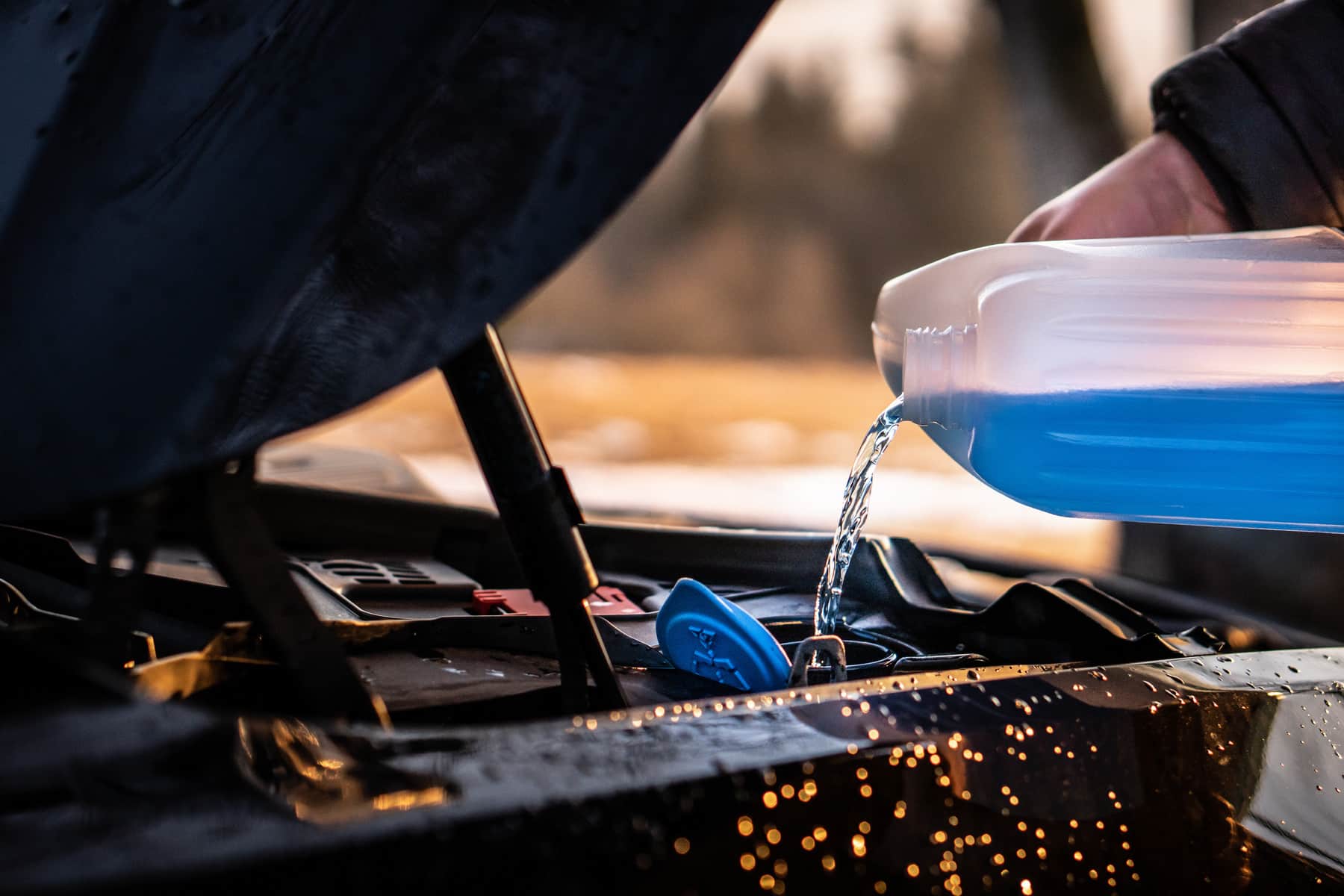
Learning how to dispose of antifreeze properly is required for all businesses and industries that rely on antifreeze to maintain engines and other machinery in extreme temperatures. Industries such as automotive, HVAC, food and beverage processing, power generation, and aviation require antifreeze for various applications. Its most common application is in regulating engine temperatures while protecting against corrosion. Still, it’s also used to prevent freezing in coolant lines, as a de-icing agent for aircraft wings and other aviation components, and in temperature control for refrigeration systems, among other applications.
What Is Antifreeze?
Antifreeze, also called coolant, is a chemical additive combined with water to regulate the temperature of internal combustion engines and industrial systems to prevent freezing and overheating. It is essential for maintaining stable engine temperatures and specific industrial HVAC systems, pipelines, aircraft surfaces, and refrigeration units. The primary purpose of antifreeze is to ensure that water-based fluids in an engine or system continue to flow, even in extremely low or high temperatures, while also providing additional benefits such as corrosion protection and heat transfer efficiency.
Why Is Antifreeze a Hazard?
Antifreeze poses health and environmental dangers due to its chemical composition, primarily ethylene glycol or propylene glycol. Ethylene glycol is highly toxic if ingested, leading to severe damage to the kidneys, nervous system, and heart, and can be fatal without treatment. Propylene glycol, while less toxic, can still cause harm in large amounts. Both compounds can attract children and animals due to their sweet taste, increasing the risk of accidental poisoning. Environmentally, antifreeze can contaminate soil and water sources if spilled or improperly disposed of, harming aquatic life and ecosystems due to its oxygen-depleting effects during biodegradation. Proper handling, storage, and disposal are critical to minimizing these risks to protect human health, animals, and the environment.
Used antifreeze also presents a problem. Not just toxic substances like ethylene glycol; it also contains heavy metals such as lead, cadmium, chromium, and copper from engine components, corrosion, or wear. These contaminants can make used antifreeze hazardous, requiring careful handling, recycling, or disposal to prevent environmental contamination. Improper disposal, such as pouring it down drains, onto the ground, or into water sources, can contaminate drinking water, harm aquatic ecosystems, and poison wildlife, and is against the law.
How to Manage and Dispose of Antifreeze
Because of its toxicity and contaminants, the antifreeze must be managed and disposed of as a hazardous material, subject to regulation under the Resource Conservation and Recovery Act (RCRA). By law and common sense, it is essential to dispose of antifreeze responsibly. There are several options available for businesses and consumers.
For Consumers
Antifreeze is just one of many everyday products used around the house that contain hidden dangers in hazardous materials. Fortunately, consumers have several options for safely disposing of used antifreeze. Many automotive service centers, repair shops, and dedicated recycling facilities accept used antifreeze for proper disposal or recycling. Some communities also offer hazardous waste collection programs or drop-off events where antifreeze can be responsibly disposed of. Antifreeze can be collected directly from homes, following specific guidelines in areas with curbside dangerous waste programs. Recycling used antifreeze is beneficial, as it removes contaminants and allows the glycol to be reused, reducing environmental impact. It’s essential for consumers to never pour antifreeze down drains, on the ground, or in regular trash. Always check local regulations for proper disposal options. Proper disposal methods include taking it to an auto parts shop, hazardous waste facility, or designated collection site.
For Businesses
Businesses and companies that generate or collect large volumes of used antifreeze have several options to ensure proper disposal while complying with environmental regulations. They must maintain compliance with local, state, and federal laws and keep detailed records of disposal activities to avoid penalties. Many partners with licensed hazardous waste management or recycling services specialize in collecting and processing hazardous materials like antifreeze. These services often include on-site collection, transportation, and recycling to recover glycol and remove contaminants. Partnering with a licensed hazardous waste provider ensures environmental safety and regulatory adherence.
Contact MLI Environmental to Manage Your Used Antifreeze
MLI Environmental is a licensed hazardous waste disposal and management services provider for businesses large and small. Serving all of Maine, New Hampshire, Vermont, Massachusetts, and Rhode Island, we offer a wide range of hazardous waste management options, including the safe transportation and disposal of used antifreeze from your business or facility. For more information, contact us today or call our South Portland, Maine offices at (603) 767-1178 to learn how we can help your company with its hazardous waste management needs.
Last updated on February 3rd, 2026 at 07:04 pm