

A hazardous waste removal consultation is the critical first step any business should take before attempting to store, transport, or dispose of regulated materials. Here’s what it typically covers:
What happens during a hazardous waste removal consultation:
- Waste stream identification – An expert reviews your materials to determine what is legally classified as hazardous
- Regulatory mapping – Federal EPA rules and state-specific requirements are applied to your situation
- Documentation review – Manifests, profiles, and generator status are assessed
- Container and transport planning – The right removal method is matched to your waste type and volume
- Compliance gaps flagged – Any violations or risks are identified before they become fines
Many businesses don’t realize they’re generating hazardous waste until something goes wrong. Under federal law, the moment a regulated material becomes waste, your organization takes on cradle-to-grave liability – meaning you’re responsible for it from generation all the way through final disposal, regardless of who handles it along the way.
The regulatory landscape in 2026 is more complex than ever. The EPA recognizes over 500 substances as hazardous under 40 CFR Part 261. States can – and often do – impose rules that are stricter than federal minimums. Getting it wrong isn’t just an environmental risk. It’s a legal and financial one.
This guide cuts through the complexity so your facility can stay compliant, reduce liability, and handle waste properly.
Navigating Compliance with a Hazardous Waste Removal Consultation
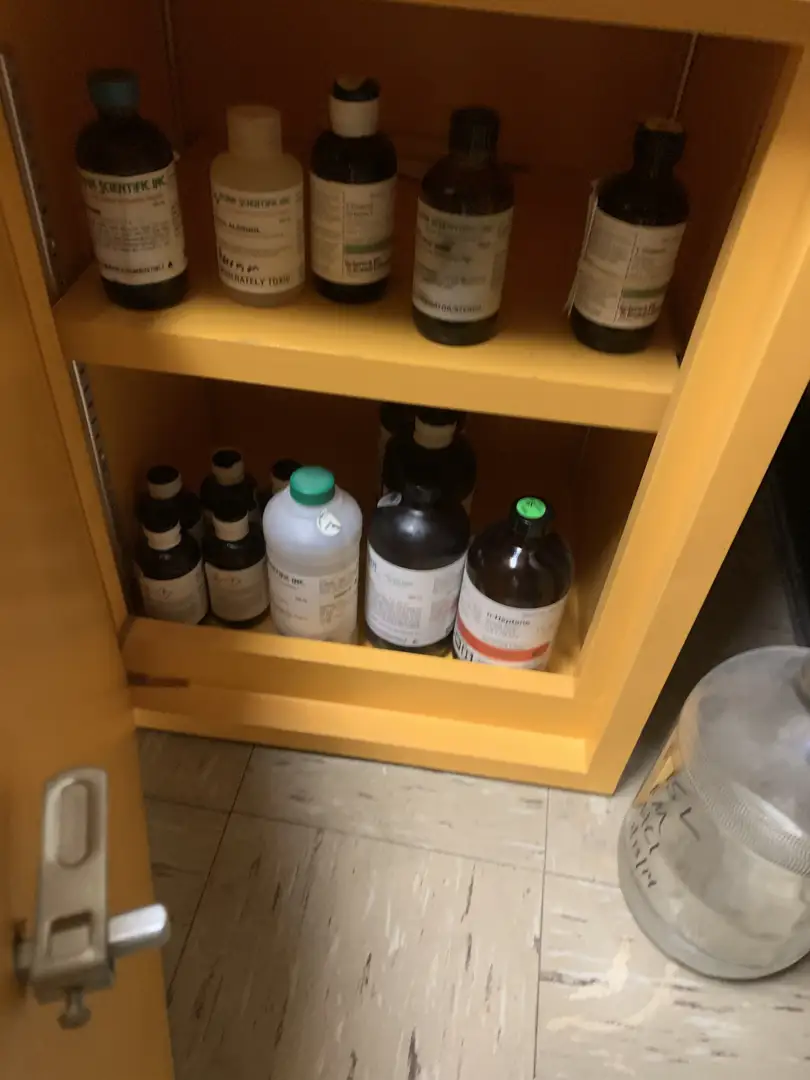
Failing to properly identify and manage your chemical waste streams is like ignoring a strange engine noise—it might not cause an accident today, but it will cost you dearly down the road. A professional hazardous waste removal consultation acts as a diagnostic checkup for your facility’s safety and compliance. By systematically evaluating how chemicals enter, move through, and exit your facility, you protect both your workforce and the local New England environment.
Identifying Your Waste Streams Before a Hazardous Waste Removal Consultation
To get the most out of your consultation, it helps to understand how regulators categorize waste. The EPA divides RCRA hazardous wastes into two primary categories:
- Listed Wastes: Specific materials pre-determined by the EPA to be hazardous. These are organized into the F-list (non-specific source solvents), K-list (source-specific industrial wastes), P-list (acute hazardous commercial products), and U-list (toxic commercial products).
- Characteristic Wastes: Materials that exhibit at least one of four traits:
- Ignitability: Flammable liquids with a flashpoint under 140°F.
- Corrosivity: Acids or bases with a pH of 2.0 or lower, or 12.5 or higher.
- Reactivity: Unstable chemicals prone to violent reactions or explosions.
- Toxicity: Materials containing harmful levels of heavy metals or organic contaminants.
It is also vital to distinguish standard industrial hazardous waste from other regulated streams. Medical waste (sharps and biohazards) requires separate handling protocols. Pharmaceutical waste includes expired medications and must comply with both EPA and DEA regulations. Meanwhile, APHIS-regulated waste includes garbage and agricultural materials associated with international transport, which must be strictly contained to prevent the spread of foreign pests. Whether you manage a life sciences laboratory in Boston, a healthcare facility in Concord, a research center in Burlington, or a manufacturing plant in Worcester, accurate classification is the foundation of site safety.
Key Regulations, Cradle-to-Grave Liability, and Documentation
Under the federal Resource Conservation and Recovery Act (RCRA), your business is responsible for cradle-to-grave management. From the exact second a chemical waste is generated, through its transport, and up to its final disposal, your company remains legally responsible. If a licensed transporter spills your waste or a disposal facility mishandles it, you are still liable.
To maintain compliance and protect your business, several documents are required:
- Hazardous Waste Profile: Outlines the exact chemical composition and physical properties of your waste for the treatment facility.
- Uniform Hazardous Waste Manifest: The legally mandated shipping paper tracking the waste from your facility to its final destination.
- EPA Approvals and ID Numbers: Required depending on your generator category and specific activities (such as PCB cleanup).
In addition to federal rules, New England states (Maine, New Hampshire, Massachusetts, Vermont, and Rhode Island) enforce rigorous oversight, often requiring annual reporting and tighter timelines for accumulation. For organizations navigating federal procurement frameworks, referencing resources like the GSA Hazardous Waste Disposal Services Ordering Guide can provide valuable compliance baselines. To identify where your facility stands today, scheduling professional Compliance Audits is an excellent way to spot errors before state inspectors do.
Safe Storage, Labeling, and Transport Container Options
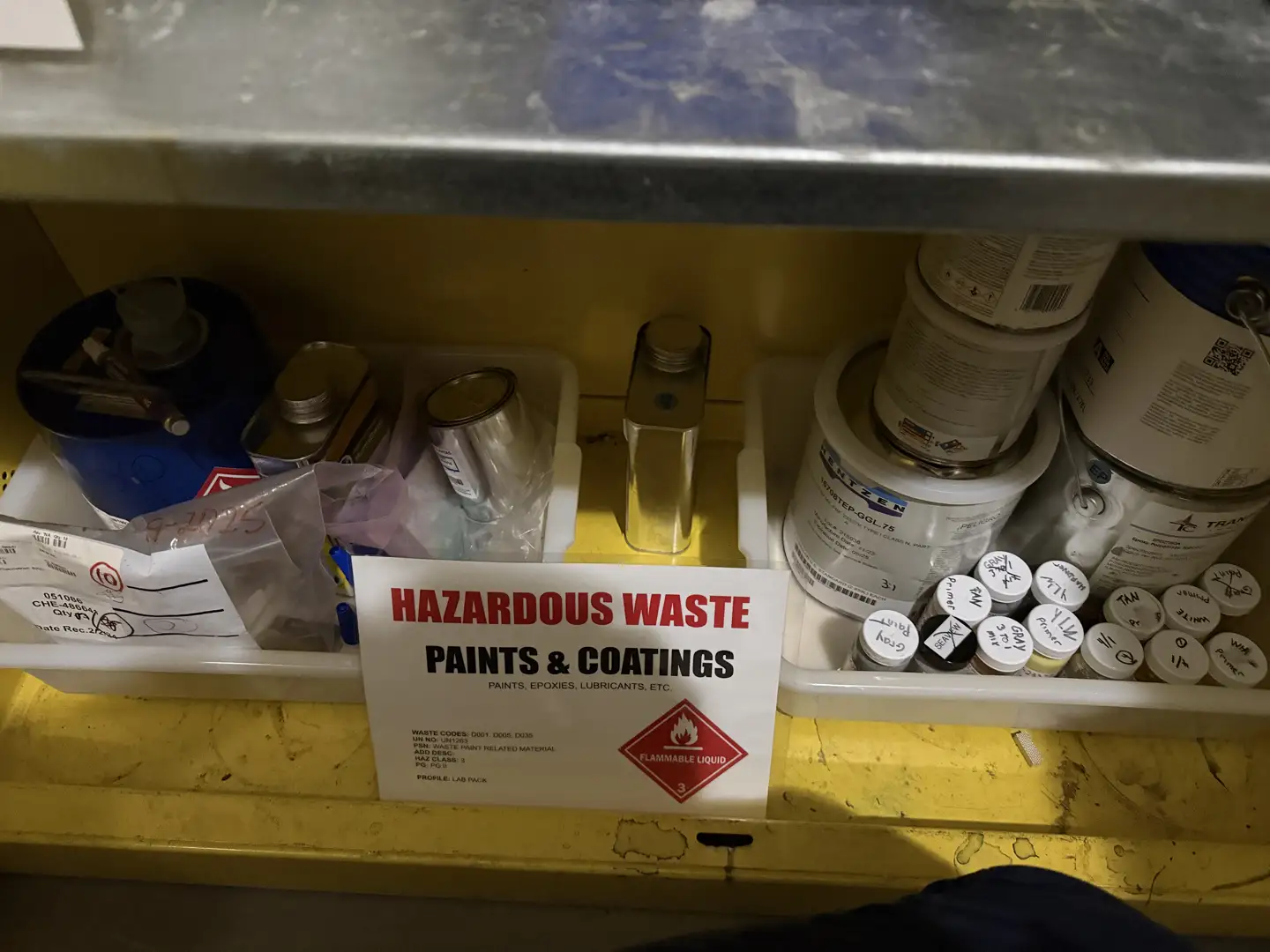
All hazardous waste must be kept in compatible, leak-proof containers that remain closed unless you are actively adding waste. Containers must be clearly marked with a “Hazardous Waste” label, detailing the chemical constituents and the accumulation start date. You must also utilize secondary containment units, like spill pallets, to catch leaks. Under RCRA, satellite accumulation areas allow you to store up to 55 gallons of hazardous waste (or 1 quart of acute waste) near the point of generation. Once that limit is reached, you have a strict 3-day window to move the container to your central accumulation area.
When it comes time for removal, transportation options depend on the volume and physical state of your waste:
- Rolloff Dumpsters: Ideal for large volumes of solid hazardous waste, contaminated soil, or debris.
- Sealed Vans: Best for drums, boxes, and laboratory packs.
- Walking Floor Trailers: Used for high-volume, bulk solid waste streams.
- Lab Packing: This specialized process involves taking small, diverse chemical bottles (common in labs and universities), segregating them by chemical compatibility, and packing them safely into larger drums with absorbent material.
To ensure these steps are handled safely, many businesses utilize professional Onsite Hazardous Waste Services to manage packaging, labeling, and logistics.
How to Prepare for Your Hazardous Waste Removal Consultation
To ensure your consultation goes smoothly:
- Compile a Chemical Inventory: Draft a list of all chemicals currently on-site, including safety data sheets (SDS).
- Identify Unknown Substances: Flag unlabeled containers. Do not guess what is inside; professionals must perform characterization testing to identify them safely.
- Verify Handler Training: Ensure employees who handle, label, or move waste have completed mandatory RCRA, OSHA, and DOT training.
Streamlining Your Facility’s Waste Management and Next Steps
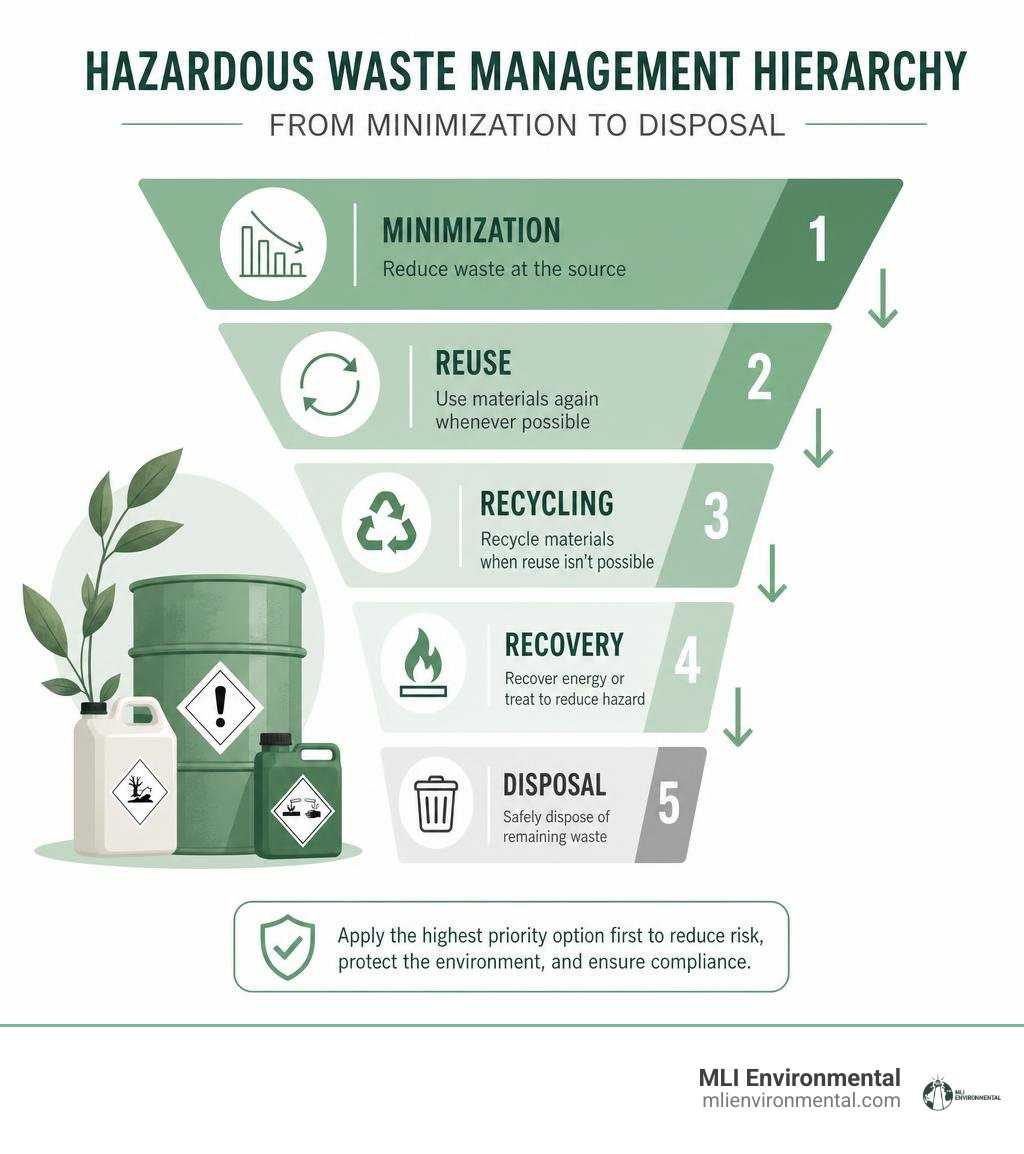
An effective waste program does not just check a compliance box; it optimizes your entire operational flow. By focusing on waste minimization, recycling, and choosing the right certified partner, you can cut long-term disposal costs and boost your facility’s sustainability profile.
Minimizing Waste and Qualifying for Financial Incentives
The best way to manage hazardous waste is to avoid generating it in the first place. Implementing a waste minimization plan—such as substituting toxic solvents with safer, water-based degreasers—can dramatically reduce your regulatory burden. Additionally, on-site chemical recycling (such as solvent distillation) can reduce your reportable hazardous waste volume by up to 80%.
Your regulatory requirements are determined by how much waste you generate each month:
| Generator Category | Monthly Generation Limit | Max On-Site Storage Limit | Storage Time Limits |
|---|---|---|---|
| Very Small Quantity Generator (VSQG) | < 220 lbs (approx. 25 gallons) | < 2,200 lbs | No limit (must remain under storage max) |
| Small Quantity Generator (SQG) | 220 to 2,200 lbs | < 13,200 lbs | 180 days (or 270 days if shipping > 200 miles) |
| Large Quantity Generator (LQG) | > 2,200 lbs | No limit | 90 days |
Note: Generating more than 2.2 lbs of acutely hazardous (P-listed) waste in a month automatically bumps a facility to LQG status.
If your business qualifies as a Small Quantity Generator or VSQG, you may be eligible for free technical consultations and state-specific financial incentives or cash-back programs for making safety improvements (such as installing secondary containment or purchasing PPE).
To learn more about local regulations and resources, check the Maine DEP Hazardous Waste/Universal Waste Guidelines. For a clear picture of how professional oversight keeps your team safe, explore Why Your Business Needs On-Site EHS Consultation Services.
Selecting a Certified Partner for Long-Term Compliance
MLI Environmental provides turnkey environmental, health, and safety (EHS) solutions across New England, including Maine, New Hampshire, Massachusetts, Vermont, and Rhode Island. With certified professionals specializing in dangerous goods shipping, chemical logistics, and compliant waste disposal, MLI Environmental takes the guesswork out of complex regulations.
Ready to secure your facility and protect your business from liability? Contact the experts at MLI Environmental to schedule your professional Hazardous Waste Management services today.