
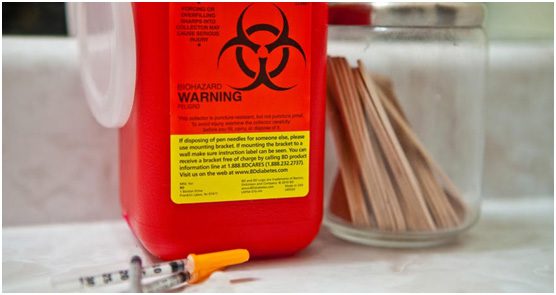
Every day, hospitals, clinics, and laboratories generate significant volumes of biohazard medical waste—including blood-soaked materials, sharps, cultures, and other infectious substances. Managing this waste responsibly is more than a procedural task; it’s a critical component of protecting patient and staff health, maintaining regulatory compliance, and preventing environmental contamination.
This guide outlines why regular biohazardous waste disposal is essential, along with best practices for handling, segregation, and storage in healthcare environments.
What Is Biohazard Medical Waste?
Biohazard medical waste, also known as infectious or biomedical waste, includes any material contaminated with potentially infectious agents or biological materials. Common examples include:
- Used needles, syringes, and scalpels (sharps)
- Blood and bodily fluid-soaked materials
- Laboratory cultures and specimens
- Contaminated personal protective equipment (PPE)
- Pathological waste, such as tissue samples
Improper disposal of this waste can spread infectious diseases, contaminate water systems, and lead to costly penalties under federal and state health regulations.
Why Regular Disposal Is Critical
Infection Prevention
Routine removal of biohazard waste minimizes exposure to pathogens that can cause serious illness. Delays in disposal increase the risk of contamination and infection among healthcare workers and patients.
Regulatory Compliance
Medical facilities must adhere to strict standards from agencies such as the Occupational Safety and Health Administration (OSHA), the Environmental Protection Agency (EPA), and state health departments. Failure to comply with these regulations can result in hefty fines and reputational damage.
Environmental Protection
Improper disposal methods, such as placing biohazard waste in general trash, can contaminate soil and groundwater. Regular disposal ensures that waste is treated, sterilized, and disposed of in accordance with approved environmental standards.
Operational Efficiency
Scheduled waste pickups prevent overflow, maintain a clean workspace, and ensure that staff can focus on patient care rather than waste management concerns.
Best Practices for Managing Biohazardous Waste
1. Proper Segregation
- Separate biohazard waste at the point of generation.
- Use clearly marked red bags or containers labeled “Biohazard.”
- Keep sharps in puncture-resistant, leakproof containers.
2. Safe Storage
- Store waste in a designated, restricted area away from patients and food service zones.
- Maintain temperature control when necessary to prevent odors or decomposition.
- Do not store waste beyond regulatory time limits.
3. Regular Disposal Schedule
- Schedule pickups consistently to prevent accumulation.
- Partner with a licensed waste management company experienced in medical waste handling.
4. Staff Training and Documentation
- Provide training on proper segregation, handling, and labeling.
- Keep detailed records of disposal dates, volumes, and transporter certifications for audit purposes.
Understanding Regulatory Standards
Medical facilities must comply with overlapping regulations from multiple agencies, including:
- OSHA’s Bloodborne Pathogens Standard (29 CFR 1910.1030) – Defines requirements for handling contaminated materials and sharps.
- EPA’s Resource Conservation and Recovery Act (RCRA) – Governs hazardous waste treatment and disposal.
- DOT Regulations (49 CFR Parts 171–180) – Establish standards for transporting medical waste safely.
- State Health Department Guidelines – May include additional rules for segregation, labeling, and recordkeeping.
Partnering with an experienced waste management provider helps ensure full compliance with these complex requirements.
FAQs About Biohazard Medical Waste
What is the difference between medical waste and biohazard waste?
All biohazard waste is medical waste, but not all medical waste is biohazardous. Biohazard waste specifically refers to materials that are infectious or potentially infectious.
How often should medical facilities dispose of biohazard waste?
Facilities should schedule regular pickups—typically weekly or biweekly—depending on the volume of waste generated and local regulations.
Can biohazard waste be treated on-site?
Some large hospitals have autoclaves or sterilization systems, but most facilities rely on licensed waste management providers for proper off-site treatment and disposal.
What happens if biohazard waste is disposed of improperly?
Improper disposal can lead to disease transmission, environmental pollution, fines, and loss of operating licenses.
Partner with MLI Environmental for Safe, Compliant Disposal
Proper management of biohazard medical waste is essential to maintaining a safe, compliant healthcare environment. MLI Environmental provides comprehensive waste management solutions that help medical facilities meet regulatory standards while protecting staff and patients.
Contact MLI Environmental today to schedule a biohazard waste assessment or learn more about our medical waste disposal services.
Last updated on December 18th, 2025 at 04:44 pm